

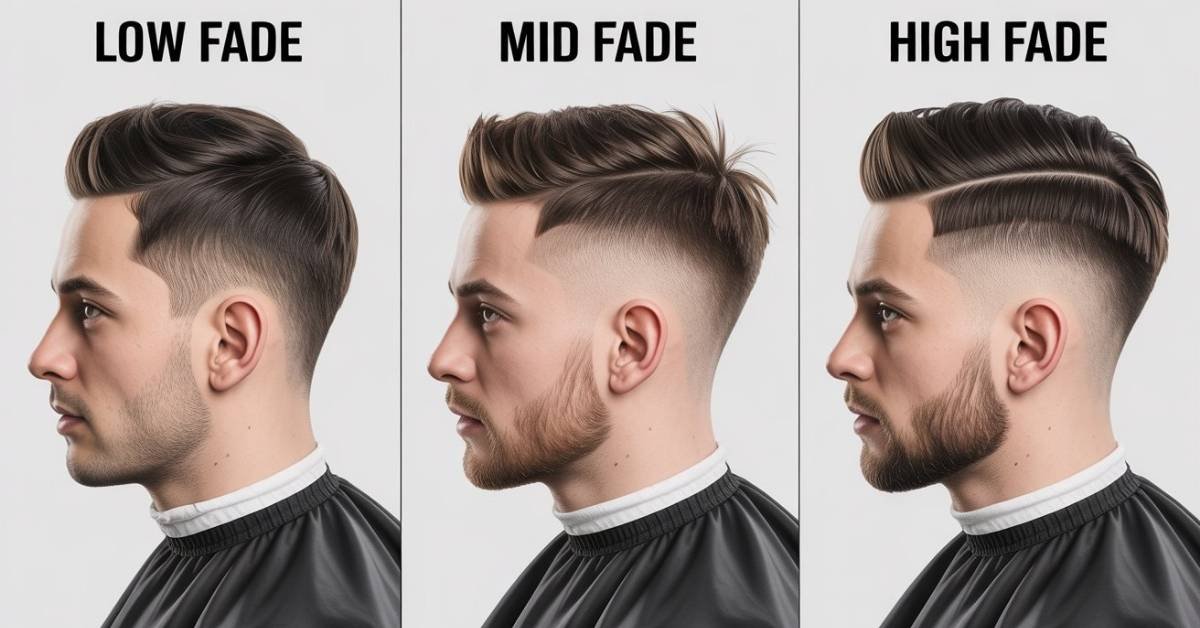
To begin with, style is more than just a look; it’s a language. For expats navigating new cities, cultures, and lifestyles, your hairstyle often becomes part of your first impression. Among men’s hairstyles, fade haircuts stand out as one of the most versatile and globally loved choices. Whether you’re chasing a professional vibe or an edgy modern look, understanding the difference between a low fade, mid fade, and high fade can completely change your grooming game.
What Is a Fade Haircut?
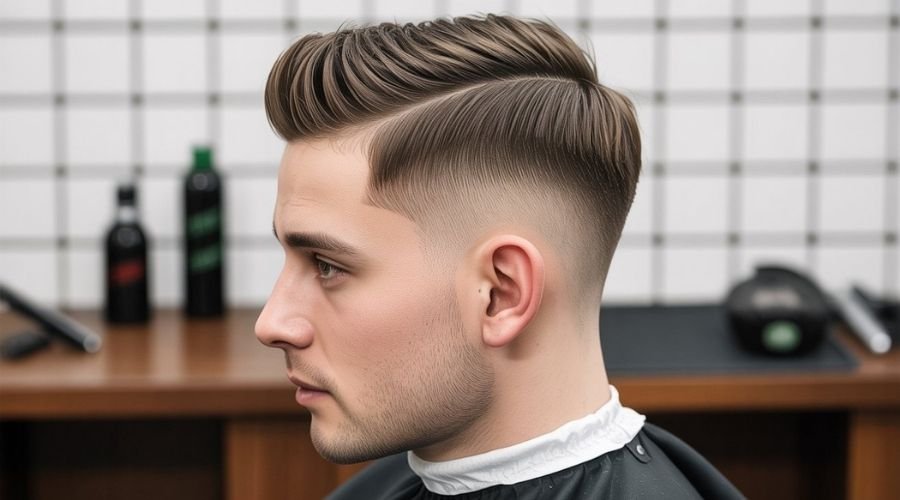
In simplest terms, a fade haircut is a smooth transition from short to even shorter hair that blends cleanly into the skin. Barbers use clippers to taper the sides and back, creating a seamless gradient that draws attention to the top and overall head shape.
The fade haircut’s beauty lies in precision. It’s not just about trimming; it’s about crafting a smooth flow that highlights your features. Fade haircut men’s styles have evolved from military-inspired trims to fashion statements seen on athletes, actors, and professionals worldwide.
Barbers often describe a fade as a “blend,” meaning the hair gradually reduces in length, with no visible lines. The smoother the transition, the more professional and polished the result. That’s why mastering fades is a top-tier barber fade technique around the world.
What Is a Low Fade?
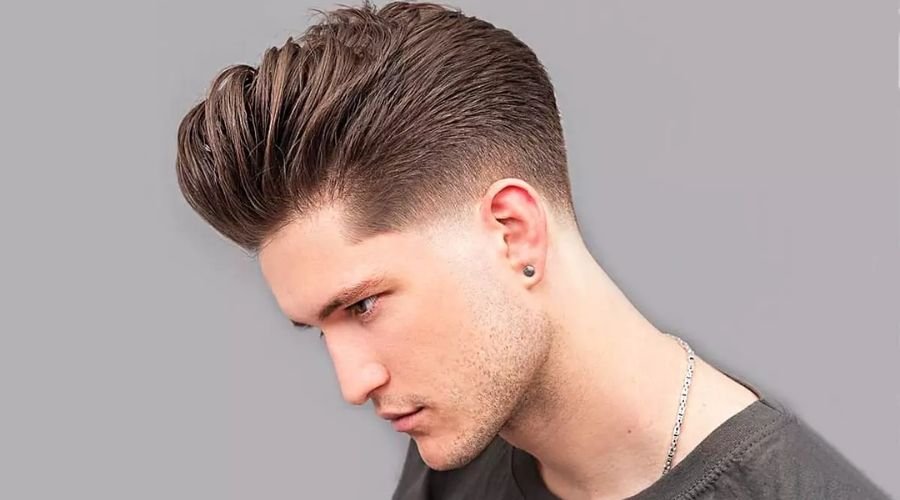
A low fade haircut starts low on the head, typically just above the ears. The fade blends gently upward, keeping most of the sides fuller compared to other types. This style offers a subtle transition, giving a clean yet natural appearance.
For most men, the fade starting point above the ears provides an elegant and understated look. It works especially well for professionals, as it adds structure without screaming for attention. Because of this, barbers often recommend the low fade to men who want something sharp but not too bold.
Another advantage of the low fade is its flexibility. It complements both long and short hairstyles, from pompadours to textured crops. If you’re new to fade haircuts, the low fade is a perfect entry point because it’s low-maintenance and easy to grow out.
What Is a Mid Fade?
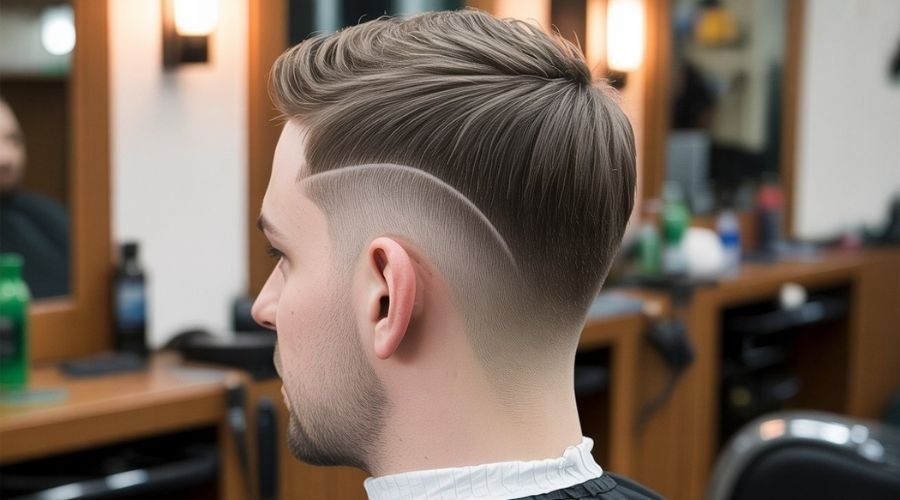
A mid-fade haircut begins around the temples. It strikes a perfect balance between subtlety and contrast, making it a popular choice among men who want a bit more edge than a low fade offers.
This fade works on nearly every hair type: straight, curly, or wavy, because it divides the head’s shape evenly. The fade begins around the temples and flows naturally toward the back, producing a smooth curve that enhances facial symmetry.
Compared to the low fade, the mid fade shows more skin, especially near the sides, which gives it a modern and athletic vibe. Many barbers consider it a “safe middle ground,” stylish but not too daring. It’s also easier to maintain than a high fade since the transition grows out evenly.
What Is a High Fade?
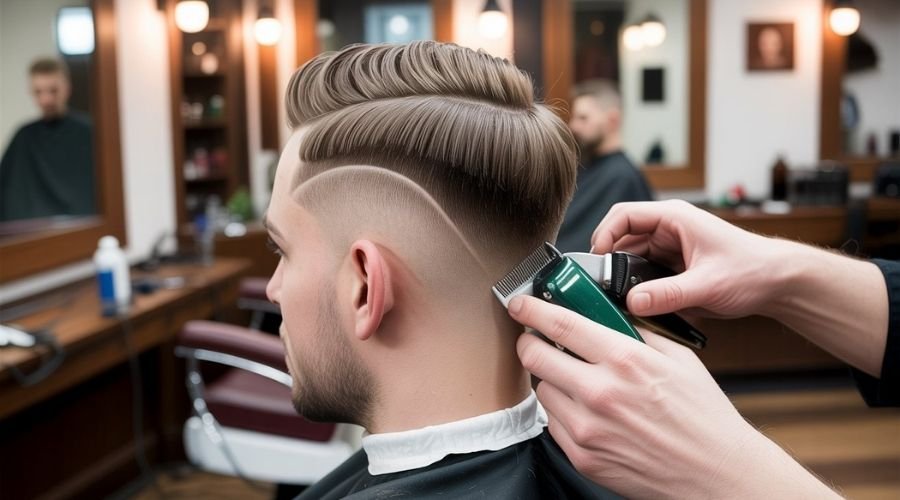
The high fade haircut starts much higher, near the crown or upper temples. It’s a bold look that commands attention, emphasizing contrast between the sides and the top. Because the fade starts high near the crown, the sides appear ultra-clean while the top stands out sharply.
This cut works best for men who appreciate structure and a defined edge. It’s ideal for shorter top styles such as buzz cuts, crew cuts, or textured spikes. If you’re aiming for a professional vs edgy fade haircut, the high fade leans strongly toward the edgy side.
However, the high fade requires more frequent touch-ups. The sharp blend looks fantastic when fresh, but can lose definition as hair grows. Still, for men who enjoy strong, modern silhouettes, this fade never disappoints.
Low Fade vs Mid Fade vs High Fade: Key Differences Explained
Now, let’s compare these three fade levels side by side. The key difference lies in where the fade starts and the amount of contrast it creates.
| Fade Type | Starting Point | Look & Feel | Maintenance Level | Best For |
| Low Fade | Just above the ears | Subtle, natural blend | Low | Professionals & beginners |
| Mid Fade | Around temples | Balanced & modern | Moderate | Most face shapes |
| High Fade | Near crown | Bold, dramatic contrast | High | Trendy, edgy styles |
In simpler terms, a low fade vs a high fade comparison shows how the lower fade feels softer and more professional, while the high fade creates a bold, confident statement. Meanwhile, the mid fade vs high fade balance offers the best of both, sharp but wearable.
Ultimately, choosing between these fades depends on how much skin you want to show, how often you can maintain it, and what kind of impression you want to make.
Which Fade Looks Best on Different Face Shapes?
Choosing the right fade isn’t just about style; it’s about harmony with your face shape. Barbers consider symmetry and proportion when recommending a fade.
- Round faces: High fades add height, giving the illusion of a longer face.
- Square faces: Low fades balance sharp jawlines with soft transitions.
- Oval faces: Mid fades look most natural because they follow your head’s curve.
- Long faces: Low fades reduce length visually and add width to the sides.
Best fade for face shape decisions always depend on facial angles and hairstyle balance. Many barbers agree that the right fade enhances natural structure rather than hides it. So, before committing, ask your barber’s advice; they can spot details you might miss.
Best Fade for Your Hair Type (Straight, Curly, Wavy, or Coarse)
Hair texture plays a major role in how a fade turns out. The same fade height can look completely different on various hair types.
- Straight hair: Fades appear sharper and more defined. High fades suit this texture best.
- Curly hair: Low or mid fades create a neat frame without losing curl volume.
- Wavy hair: Mid fades blend perfectly because they follow natural wave patterns.
- Coarse hair: Low fades manage thickness while keeping sides tidy.
Fade haircut for different hair types means you should pick the fade that matches your texture’s behavior. For instance, coarse hair may need tighter blends to prevent puffiness, while straight hair benefits from clean, angular fades.
Low Taper vs Mid Taper vs High Taper: A Complete Breakdown
Although they sound similar, taper fades differ slightly from regular fades. A taper gradually shortens hair only around the sideburns and neckline, not all the way up. However, the principles remain the same.
- Low taper: Minimal contrast, ideal for professional settings.
- Mid taper: Slightly higher blend for a stylish yet neat finish.
- High taper: More dramatic outline, blending into the upper side area.
By comparison, low taper vs mid taper vs high taper styles give you subtle variations in sharpness. If you prefer a softer appearance, go low. If you love clean definition, go high.
The bottom line is: tapers offer a more conservative take on fades, perfect if you want refinement without heavy skin exposure.
Skin Fade vs Taper Fade: Where Do Low, Mid, and High Fades Fit In?
A skin fade (or bald fade) blends the hair completely into the skin. In contrast, a taper fade keeps a bit of short hair near the bottom. Both can exist in low, mid, or high variations.
- Low skin fade: Minimal skin exposure; perfect for clean, subtle looks.
- Mid skin fade: Balanced with a noticeable gradient.
- High skin fade: Bold, crisp finish, highly modern.
This explains why the fade transition from sides to top looks sharper in skin fades. Meanwhile, tapers stay conservative. Depending on your confidence level and work environment, you can pick what fits your lifestyle.
Choosing the Right Fade Level: From Gentle Blend to Bold Contrast
When you choose a fade, think of it as choosing your personal statement. Do you want subtle elegance or sharp definition?
- If you’re after a subtle vs bold fade look, go low or mid.
- If you want heads to turn instantly, go high.
- For flexible styling, mid fades remain unbeatable.
Fade haircut maintenance is another deciding factor. High fades need trimming every 1–2 weeks, while low fades can last up to 3–4 weeks before losing shape. So, consider your schedule before picking your fade height.
At the end of the day, every fade represents confidence, whether you’re blending softly or cutting boldly.
Barber’s Guide: How to Pick the Perfect Fade Height for Your Style
From a barber’s point of view, fade height depends on three things: head shape, hair density, and desired impression. Here’s how professionals approach it:
- Assess head shape: Round heads look better with higher fades to elongate proportions.
- Check density: Thick hair can handle higher fades without exposing scalp lines.
- Match lifestyle: Businessmen often prefer low fades; creatives go for high fades.
Many stylists recommend showing reference photos. A picture helps barbers understand exactly how much contrast you want. Remember, a fade isn’t just a haircut; it’s craftsmanship. The cleaner the transition, the more premium the result.
The Fade Hierarchy: Understanding Every Fade Type Like a Pro
Let’s break down the fade hierarchy to understand how they all fit together.
- Taper Fade: Softest transition, minimal contrast.
- Low Fade: Gentle blend is great for classic looks.
- Mid Fade: Balanced height, stylish, and universal.
- High Fade: Boldest contrast, modern and confident.
- Skin Fade: Sharpest version, zero blend into the scalp.
Basically, as the fade height increases, so does the level of contrast and maintenance. Each in its own way defines personality, from neat professionalism to edgy boldness.
So, whether you want the best fade haircut style for office appeal or a fashion-forward edge, you’ll find one that matches your vibe perfectly.
Conclusion
In summary, fade haircuts offer more than just clean edges; they define your entire style. Whether you go for a low fade, mid fade, or high fade, each brings a unique personality to your look. The low fade keeps things subtle and professional, the mid fade adds modern balance, and the high fade delivers bold confidence. Choosing the right fade means understanding your face shape, hair type, and lifestyle so your cut complements who you are.
At the end of the day, a fade isn’t just a trend; it’s a timeless statement of self-expression. When you wear the right fade with confidence, you don’t just look sharp, you feel it. And that’s what truly makes your style stand out wherever life takes you.
Faq’s
- Which is better, mid-fade or low fade?
A mid fade offers a sharper, more modern look, while a low fade gives a softer, professional finish. The better choice depends on your style and maintenance preference. - What is the difference between a low fade and a high fade?
A low fade starts just above the ears for a subtle blend, while a high fade begins near the temples or crown, creating a bolder, more dramatic contrast. - Which fade is more attractive?
The most attractive fade depends on your face shape and style. Generally, mid fades are most balanced and versatile, suiting nearly everyone. - What are the three levels of fade?
The three levels of fade are low fade, mid fade, and high fade, each defined by how high the taper starts on the sides and back of the head. - Which fade haircut is best?
The mid fade haircut is often considered the best because it balances sharpness and subtlety, suiting most face shapes and hair types.

H. Awais is an experienced SEO expert specializing in boosting online visibility, improving search rankings, and driving targeted traffic. With a data-driven approach, he helps businesses grow their digital presence and achieve measurable results.